


Stroke: Can lifestyle changes trump genetic risk?
The most critical lifestyle factors that swayed a person’s risk of stroke appeared to be a smoking habit and whether or not they were overweight, the authors observed.


In the current study, the researchers analyzed the genetic information of 306,473 participants from the U.K., which they sourced via the UK Biobank. All the individuals were between 40 and 73 years old, with no history of heart attack or stroke.
The investigators looked for 90 gene variants that scientists know are associated with stroke risk. Also, they determined whether each participant was leading a healthful lifestyle by looking at four factors — namely:
whether or not they smoked
whether or not they consumed a diet rich in fish, fruit, and vegetables
whether they had a body mass index (BMI) below 30, indicating that they were not overweight
whether they exercised on a regular basis
Over an average follow-up period of 7 years, the researchers then collected hospital and death records to discover occurrences of stroke.
Overall, they noted that in terms of both genetic and lifestyle risk, men tended to be more predisposed to stroke than women.
Furthermore, stroke risk was 35 percent higher in people with a high genetic predisposition versus those with a low genetic predisposition, regardless of their lifestyle choices.
At the same time, people who led an unhealthful life had a 66 percent higher risk of stroke than those who made healthful lifestyle choices. The increase was the same across all the genetic risk categories.
The most critical lifestyle factors that swayed a person’s risk of stroke appeared to be a smoking habit and whether or not they were overweight, the authors observed.
Finally, people who had both a high genetic risk of stroke and led an unhealthful life had more than twice as high a risk of stroke compared with peers who had a low genetic risk and made healthful lifestyle choices.
As the authors note in their paper: "The risk reduction associated with adherence to a healthy lifestyle in the present study was similar across all stratums of genetic risk, which emphasizes the benefit for entire populations of adhering to a healthy lifestyle, independent of genetic risk".
Reference: https://www.medicalnewstoday.com/articles/323464#Which-factors-are-more-important?
Chia sẻ bài viết


Related news
 Dấu hiệu bệnh tim ở tuổi dậy thì
Đau thắt ngực không rõ nguyên nhân, đau vai gáy, đổ mồ hôi, phù chân, ho dai dẳng, choáng váng, kiệt sức…có thể là các dấu hiệu bệnh tim ở tuổi dậy thì.
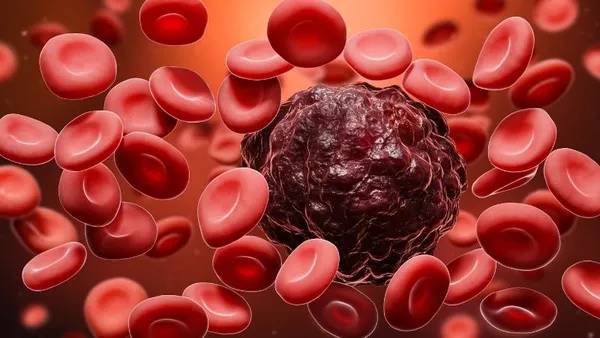 Bệnh ung thư máu: Dấu hiệu, triệu chứng và nguyên nhân là gì?
Ung thư máu là căn bệnh nguy hiểm, mặc dù không phổ biến như ung thư gan, phổi, dạ dày. Ung thư máu chiếm khoảng 10% tổng số ung thư được chẩn đoán ở Hoa Kỳ mỗi năm, ước tính khoảng 3% tổng số ca tử vong do ung thư.
 Ung thư da có chữa được không? Nguyên nhân, dấu hiệu, cách điều trị
132.000 ca ung thư da hắc tố xảy ra trên toàn cầu mỗi năm, 2 đến 3 triệu ca ung thư da không phải u hắc tố, cứ ba bệnh ung thư được chẩn đoán thì có một bệnh ung thư da.
 Ung thư ruột là gì? Nguyên nhân, triệu chứng, cách điều trị
Ung thư ruột là loại ung thư phổ biến thứ 3 trong các loại ung thư và thường diễn ra ở độ tuổi từ 50; tỷ lệ sống sót sau năm năm là 70%.
 Làm sao để giữ huyết áp bình thường?
Huyết áp cao hay thấp đều gây ảnh hưởng tiêu cực đến sức khỏe. Ngược lại, chỉ số huyết áp bình thường giúp bạn hạn chế các rủi ro cho huyết áp cao hay thấp gây ra. Vậy thế nào là huyết áp bình thường? Cách giữ chỉ số huyết áp ở mức bình thường là gì?
Read more
Follow us on



Customer Service
Leave your information, Genetica® will contact you within 24 hours.
Genetica Mobile App
More than 1000+ in-depth reports about yourself right
at your fingertips
at your fingertips
Download App now


1/3


 Back to top