


Parents Matter but They Don’t Make a Difference
In the tumult of daily life, parents mostly respond to genetically driven differences in their children. We read to children who like us to read to them. We go along with their appetites and aptitudes.

Written by: Nguyen Thi Tham. Consulting doctor: Specialist Level 2, Dr. Thai Thi Thanh Thuy31/03/2020

The most important thing that parents give to their children is their genes. Many parents will find this hard to accept. As a parent, you feel deep down that you can make a difference in how your children develop. Parents are bombarded with child rearing books and the media telling you how to do it right and making you anxious about doing it wrong.
Inherited DNA differences account for about half of the differences for all psychological traits — personality, mental health and illness, and cognitive abilities and disabilities. The environment is responsible for the other half, but genetic research has shown that the environment does not work the way environmentalists thought it worked. For most of the 20th century, environmental influences were called nurture, because the family was thought to be crucial in determining environmentally who we become.
Genetic research has shown that this is not the case. We would essentially be the same person if we had been adopted at birth and raised in a different family. Identical twins reared apart from birth are as similar as identical twins reared together in the same family. Children adopted away at birth resemble their biological parents, not their adoptive parents.
Experiences matter — parents, teachers, friends — but they don’t change who we are. The impact of our experiences is mostly unsystematic, unstable, and idiosyncratic — in a word, random. What look like systematic environmental effects, such as correlations between parenting and children’s development, are mostly reflections of genetic influence. In the tumult of daily life, parents mostly respond to genetically driven differences in their children. We read to children who like us to read to them. We go along with their appetites and aptitudes.
Parents matter tremendously in their children’s lives. They provide the essential physical and psychological ingredients for children’s development. Parents are the most important relationship in children’s lives. But parents do not make much difference — in terms of how their children ultimately differ from others — beyond the DNA they provide at the moment of conception. Parents can control their children’s behavior, but they can’t change who they are.
It’s important for parents to know that, beyond genetics, most of what happens to children involves random experiences over which parents have no control. The good news is that these experiences do not make much of a difference in the long run. Some children bounce back sooner, some later, after difficult experiences, such as their parents’ divorce, moving house, and losing friends. They bounce back to their genetic trajectory.
Instead of trying to mold children in our image, we can help them find out what they like to do and what they do well. Parenting is not a means to an end. It is a relationship, one of the longest lasting in our lives. Just as with our partner and friends, our relationship with our children should be based on being with them, not trying to change them. Part of this enjoyment is in watching your children become who they are.
Reference: https://www.psychologytoday.com/us/blog/blueprint/201809/parents-matter-they-don-t-make-difference
Chia sẻ bài viết


Related news
 Những yếu tố ảnh hưởng đến khả năng học ngoại ngữ của trẻ
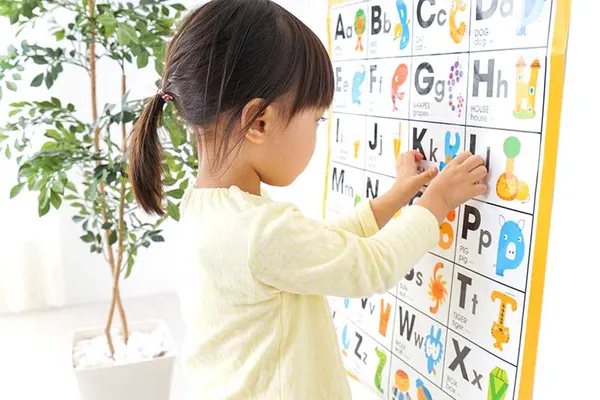
Nhiều phụ huỳnh sau khi giải mã gen tại Genetica cho con băn khoăn rằng: "Tại sao tiềm năng ngôn ngữ thấp, nhưng con học ngoại ngữ rất tốt, ngữ điệu y như người địa phương?" hoặc "Tại sao tiềm năng ngôn ngữ cao, nhưng thực tế chưa thấy con phát huy tố chất này?".
 Cách để dễ ngủ giúp bạn ngủ sâu giấc và ngủ ngon hơn vào ban đêm
Như các bạn đã biết, giấc ngủ ảnh hưởng trực tiếp đến sức khỏe tinh thần và thể chất của chúng ta. Tuy nhiên trong vài thập kỷ qua, cả chất lượng và số lượng giấc ngủ đều giảm sút. Nhiều người thường xuyên mất ngủ, trằn trọc khó vào giấc.
 Vitamin D có trong thực phẩm nào? Cách bổ sung vitamin D
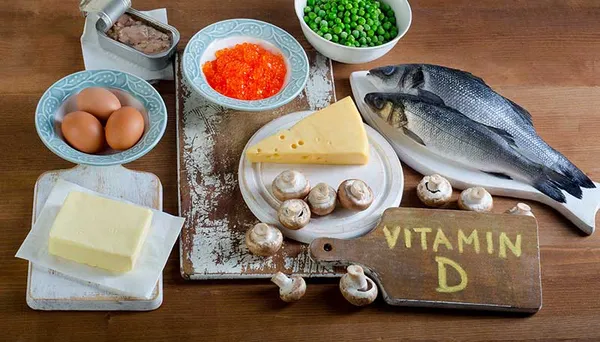
Vitamin D có trong thực phẩm nào? Những thực phẩm giàu vitamin D sau đây rất tuyệt vời để bổ sung trong chế độ ăn uống hàng ngày.
 Vitamin C có nhiều trong thực phẩm nào? Quả gì giàu Vitamin C?
Vitamin C có trong thực phẩm nào? Vitamin C phổ biến trong các thực phẩm nguồn gốc thực vật. Trái cây, rau, củ, đặc biệt là các loại trái cây họ cam.
 Thiếu vitamin C gây bệnh gì? Thừa vitamin C có tốt không?
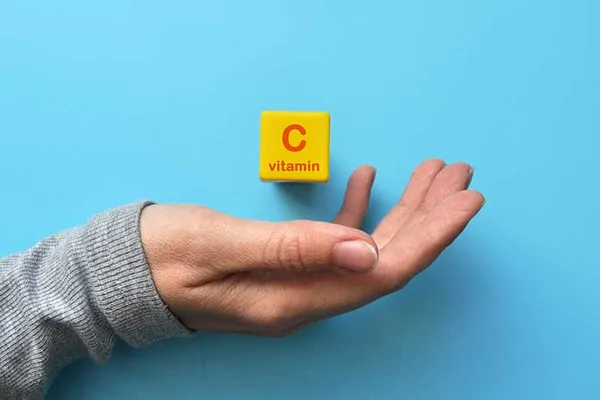
Thiếu vitamin C có thể gây thiếu máu, thiếu sắt, chảy máu chân răng, vết thương lâu lành, khô da, khô tóc… và nhiều tình trạng sức khỏe khác.
Read more
Follow us on



Customer Service
Leave your information, Genetica® will contact you within 24 hours.
Genetica Mobile App
More than 1000+ in-depth reports about yourself right
at your fingertips
at your fingertips
Download App now


1/3
 Back to top