


Gene helped humans adapt to higher-carb world — but 50% of us don’t have it
The researchers compared the genomes of 2504 modern-day people from around the world, 61 animals including chimpanzees, gorillas, bears and fish, ancient fossilized human DNA, and DNA from Neanderthals and Denisovans to see how the gene had evolved over time.

Written by: My Hanh.31/03/2020
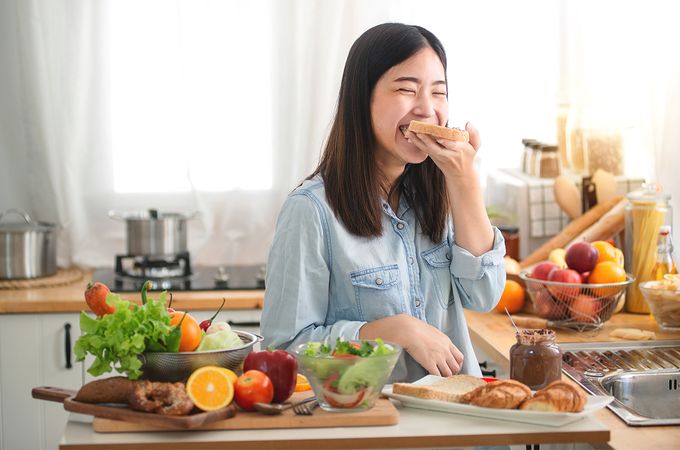
Why is it that one person eating a high-carb meal will not have her blood sugar rise, and yet another person, eating exactly the same food, sees her blood sugar climb?
It might be related to whether or not she carries a specific variant of a single gene enabling more efficient blood glucose regulation. This newer gene variant spread among farming populations during the dawn of the agricultural revolution, when higher carb foods became more common.
But here’s the rub: Half of us don’t have it
If you are among the 50% of the population who still carries the older variant that is less efficient with glucose regulation, your body may have a harder time managing your blood sugar levels in a high-carb world. That is one of the findings of a fascinating new genetic study by researchers at the University College London.
The study brought together specialists in population genetics, evolutionary biology, cell biology, and ancient DNA analysis to examine the evolutionary history of a gene involved the transport of glucose out of our blood and into our fat and muscle cells. The study examines the selective pressure on two existing variants of the gene, one that maintains glucose in blood and one that clears it faster.
The researchers compared the genomes of 2504 modern-day people from around the world, 61 animals including chimpanzees, gorillas, bears and fish, ancient fossilized human DNA, and DNA from Neanderthals and Denisovans to see how the gene had evolved over time.
The gene, called CLTCL1, codes for a specific protein called CHC22 clathrin, involved in glucose metabolism.
CHC22 acts almost like a traffic cop that lets vehicles — GLUT4 transporters — carry glucose across the cell membranes. The older variant holds the transporters back in the cells for longer, resulting in slower removal of glucose from the blood. The newer variant does not keep the glucose transporter held inside the cells, enabling faster removal of glucose from the blood.
"The older version of this genetic variant likely would have been helpful to our ancestors as it would have helped maintain higher levels of blood sugar during periods of fasting… this would have helped us evolve our large brains," explained first author Dr. Matteo Fumagalli.
The research found that a mutation in the ancient CLTCL1 gene first appeared about 450,000 years ago when humans started cooking food — when cooked carbohydrate starches would have first become more digestible. However, selective pressure on the gene during the time of the agricultural revolution 12,500 years ago spread the gene more widely into farming populations.
Nowadays the study found half of us still carry the ancient gene. The researchers say more research is needed to understand how these genetic variants impact our health and physiology, however, "people with the older variant may need to be more careful with their carb intake".
Reference: https://www.dietdoctor.com/study-gene-helped-humans-adapt-to-higher-carb-world-but-50-of-us-dont-have-it
Chia sẻ bài viết


Related news
 Xét nghiệm gen Genetica có giống với sinh trắc vân tay không?
Khá nhiều phụ huynh khi nghe đến xét nghiệm gen tìm tài năng cho trẻ em đều hình dung phương pháp này khá giống sinh trắc vân tay - công cụ giải mã bản thân mà rất nhiều cha mẹ đã biết qua. Hãy cùng tìm hiểu điểm giống và khác nhau của hai phương pháp này ở bài viết dưới đây.
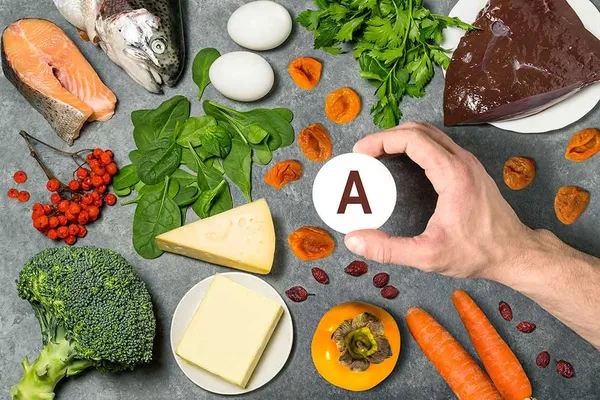 Vitamin A có trong thực phẩm nào? Cách bổ sung đúng cách
Vitamin A có trong thực phẩm nào? cùng Gentica khám phá những loại thực phẩm giàu vitamin A tự nhiên, tốt cho sức khỏe.
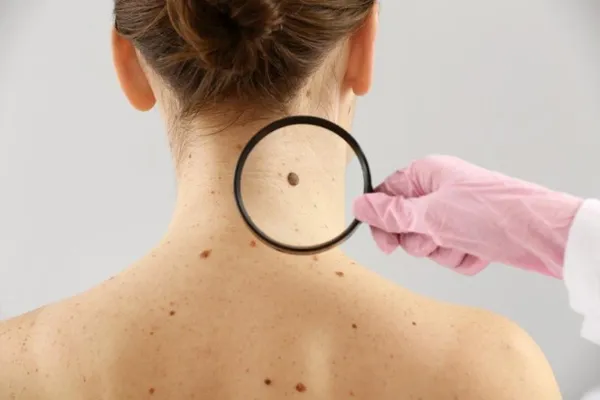 Ung thư da có chữa được không? Nguyên nhân, dấu hiệu, cách điều trị
132.000 ca ung thư da hắc tố xảy ra trên toàn cầu mỗi năm, 2 đến 3 triệu ca ung thư da không phải u hắc tố, cứ ba bệnh ung thư được chẩn đoán thì có một bệnh ung thư da.
 6 thói quen buổi sáng giúp bạn giảm cân
Thực hiện vài thay đổi nhỏ trong thói quen buổi sáng cũng có thể giúp bạn giảm cân và duy trì cân nặng hiệu quả. Không những thế, những thói quen này tưởng chừng rất đơn giản nhưng lại có thể mang lại sự khác biệt cho cuộc sống của bạn, cả về thể chất và tinh thần.
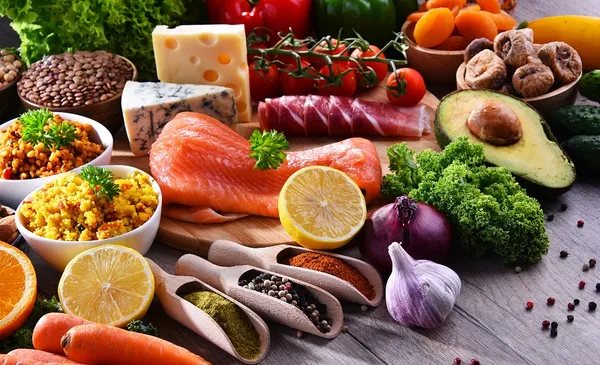 Huyết áp thấp nên ăn gì và kiêng gì?
Huyết áp thấp nên ăn gì? Muối, thực phẩm giàu vitamin B12, thực phẩm giàu vitamin B9 được khuyến nghị cho người bị tụt huyết áp.
Read more
Follow us on



Customer Service
Leave your information, Genetica® will contact you within 24 hours.
Genetica Mobile App
More than 1000+ in-depth reports about yourself right
at your fingertips
at your fingertips
Download App now


1/3
 Back to top